
THE WORLD HUMAN PEACE FOUNDATION
Gaza: Language Must Not Hide Civilian Suffering
4 October 2026
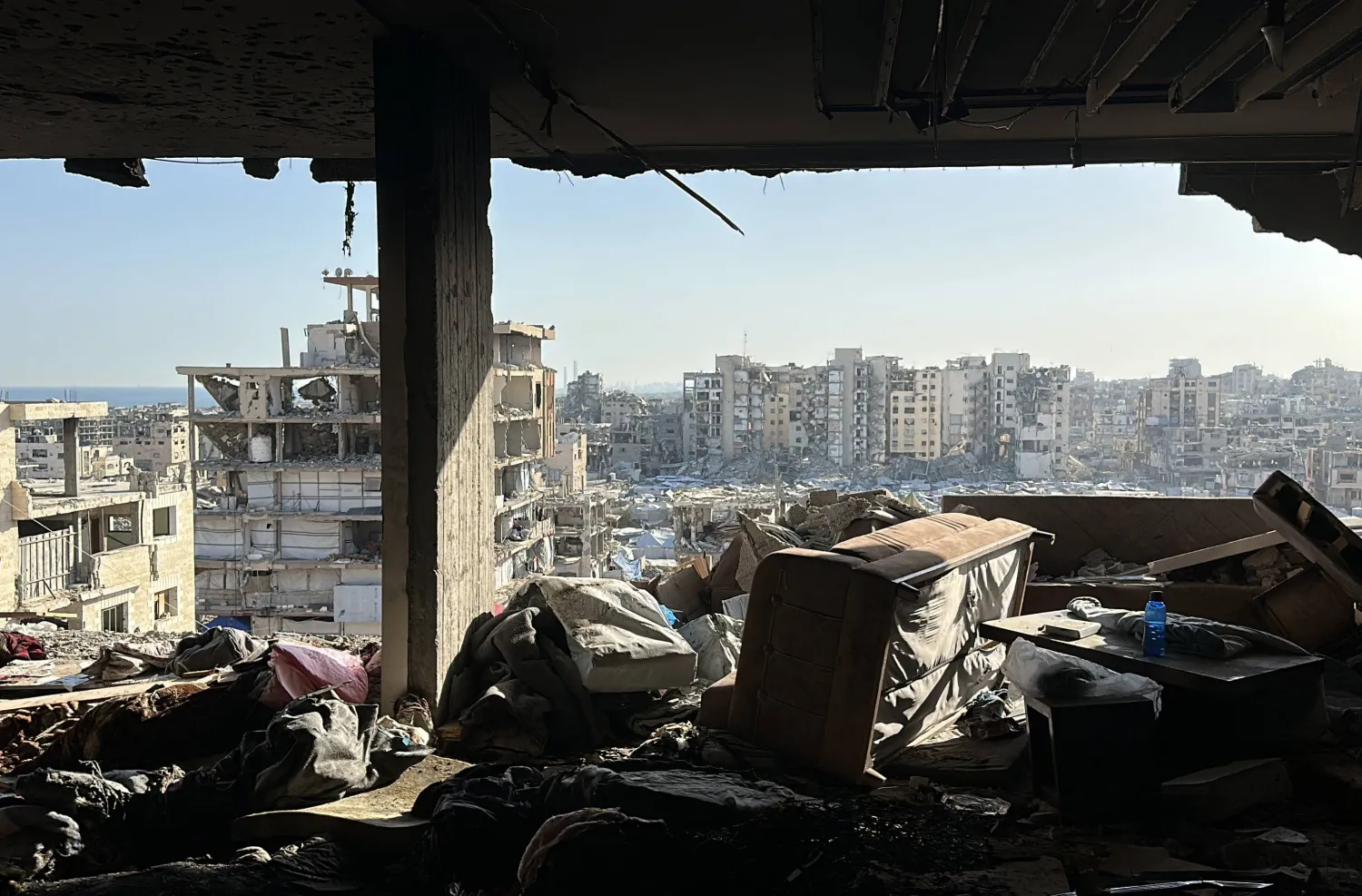
Language must not hide civilian suffering
The language we choose to describe human suffering matters. When Gaza is presented as though two evenly matched national armies are confronting one another, the immense imbalance of force—and the vulnerability of civilians—can disappear from view.
Gaza does not field a conventional state military comparable to Israel’s armed forces. Hamas and other Palestinian armed groups possess weapons and have fired rockets. Acknowledging that reality does not diminish the rights of Palestinian civilians or excuse the destruction of their lives.
Families are not military targets. Children are not responsible for the decisions of governments or armed groups. Their right to protection does not depend on their nationality, religion, or the actions of others.
The word “war” must never become a shield against scrutiny, a substitute for naming civilian suffering, or an excuse for crimes. Armed conflict can be profoundly unequal. Describing it accurately means confronting that inequality while insisting on the protection of civilians and accountability for unlawful acts.
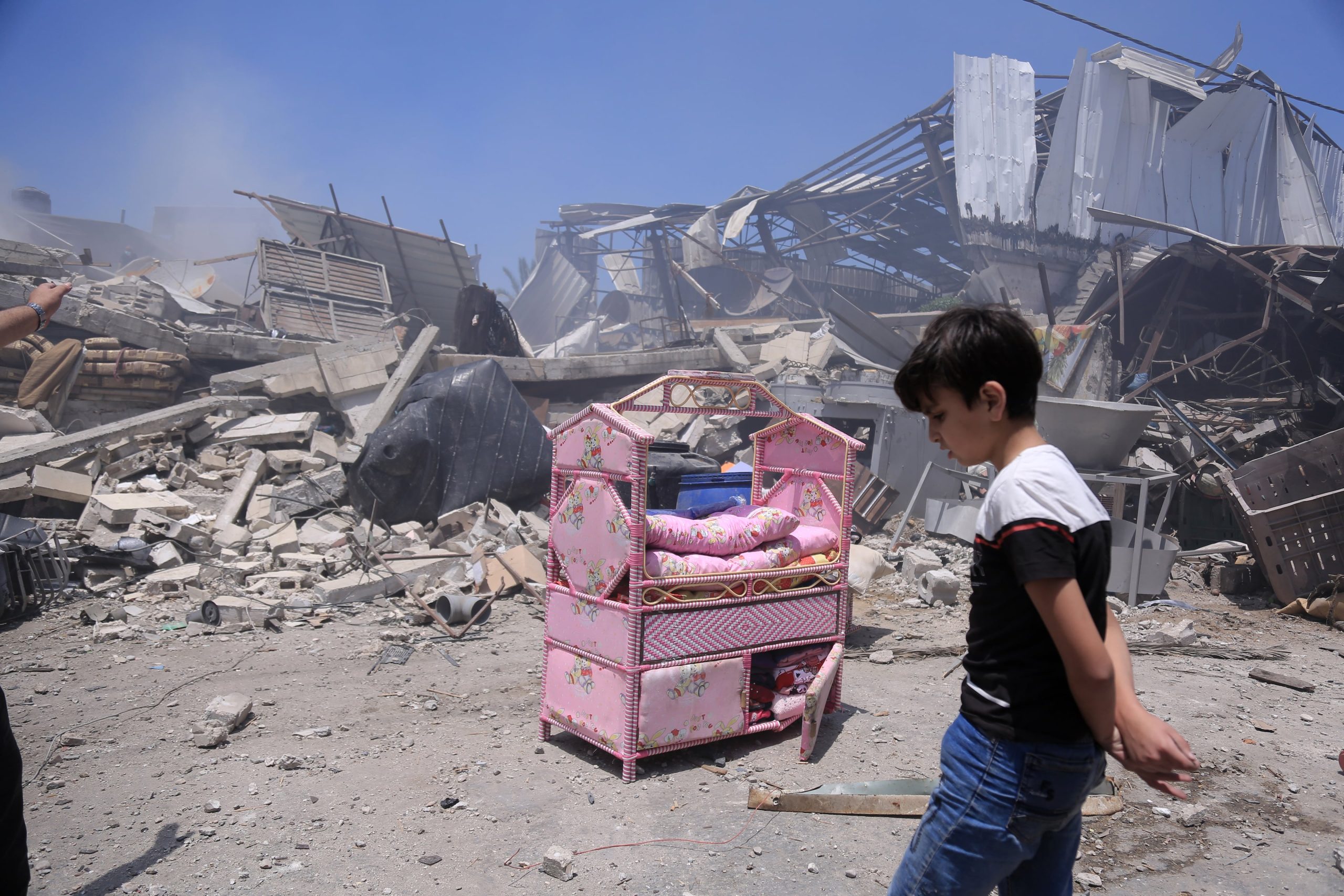
In pictures: homes, streets, lives interrupted
These were neighbourhoods where people lived, worked, studied and raised their children. Looking at the destruction means remembering the human lives behind every building.
Archival gallery — October 2023. These photographs were published in Al Jazeera’s gallery on 12 October 2023. They document that period and are separate from the June 2026 satellite assessment below.
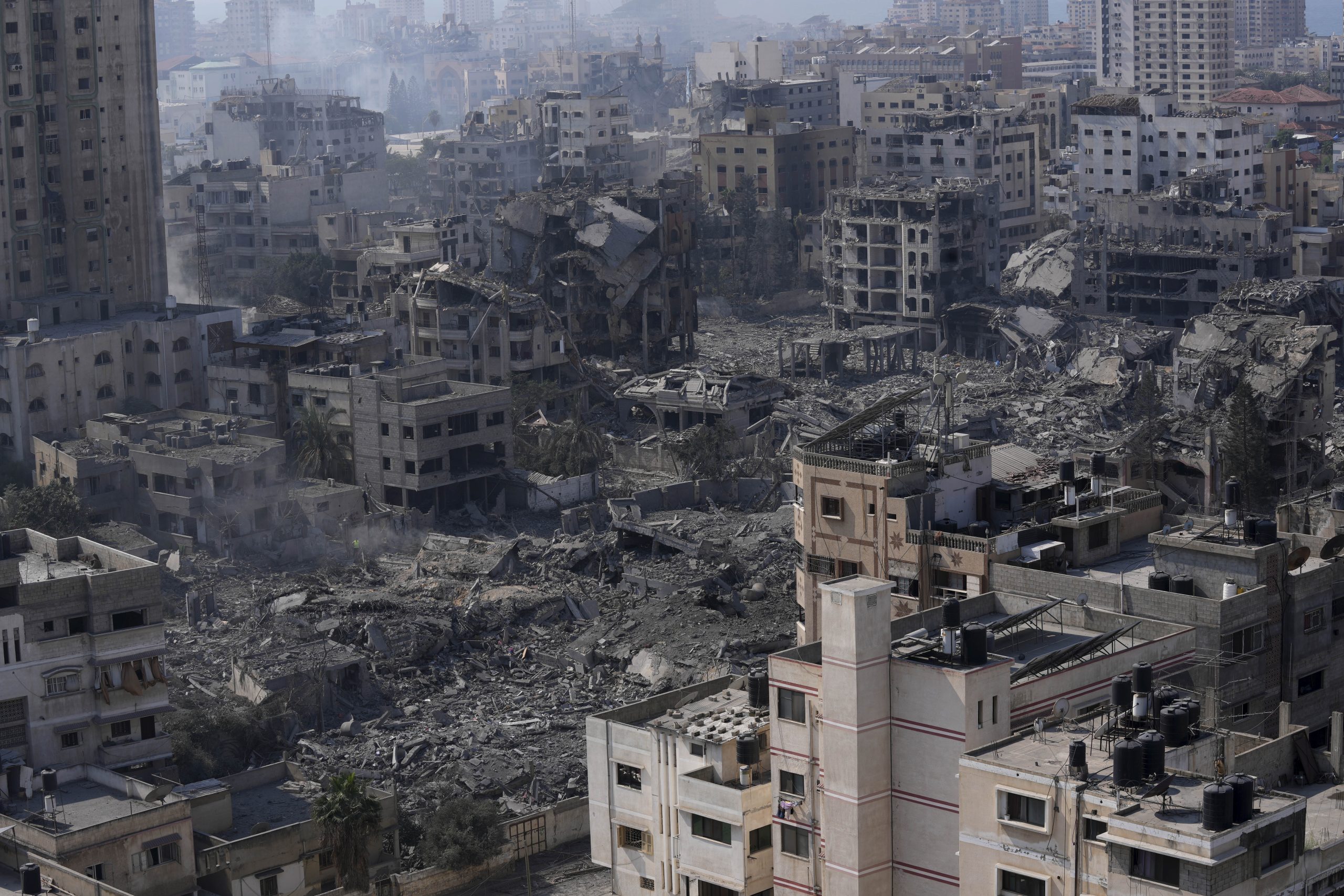
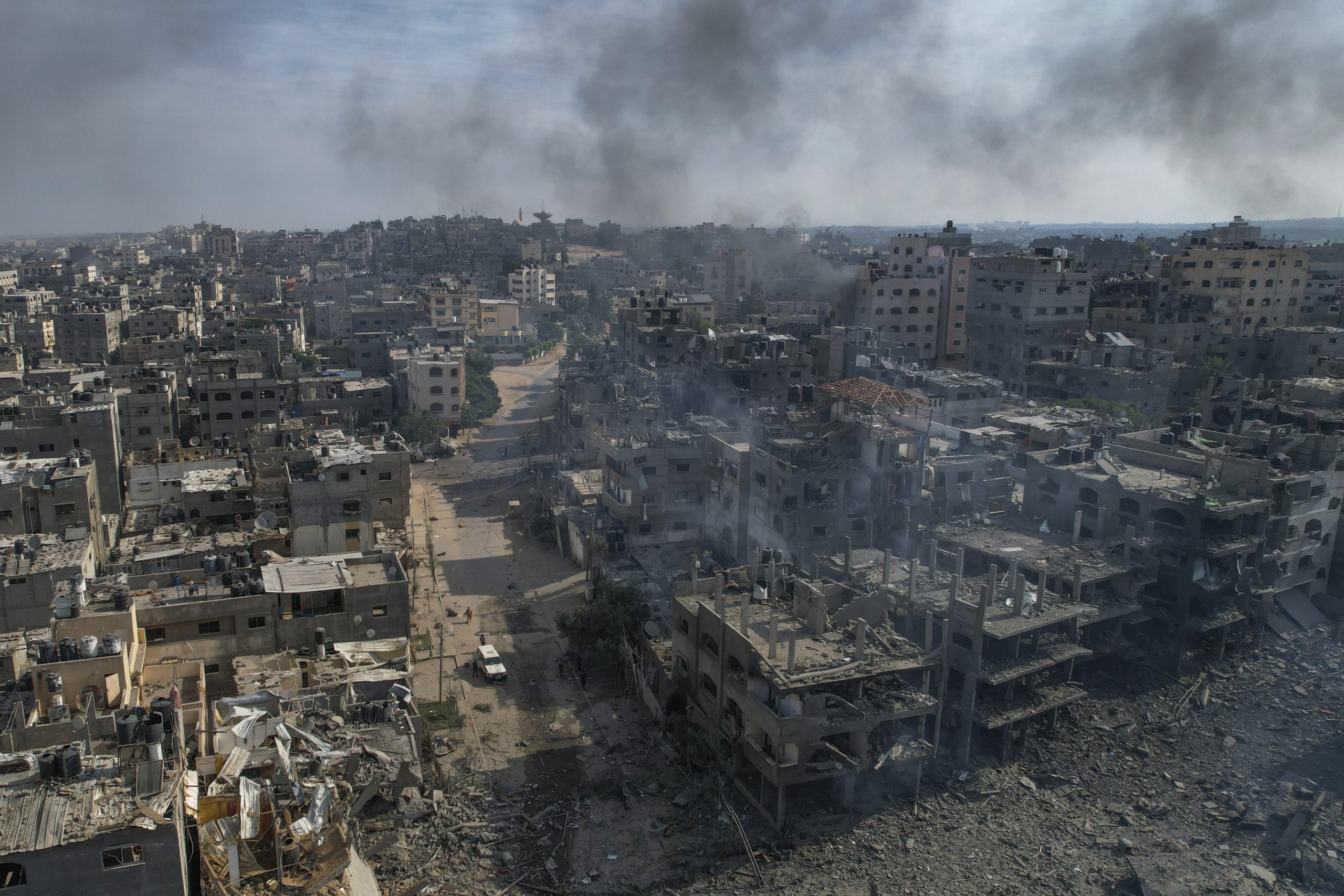
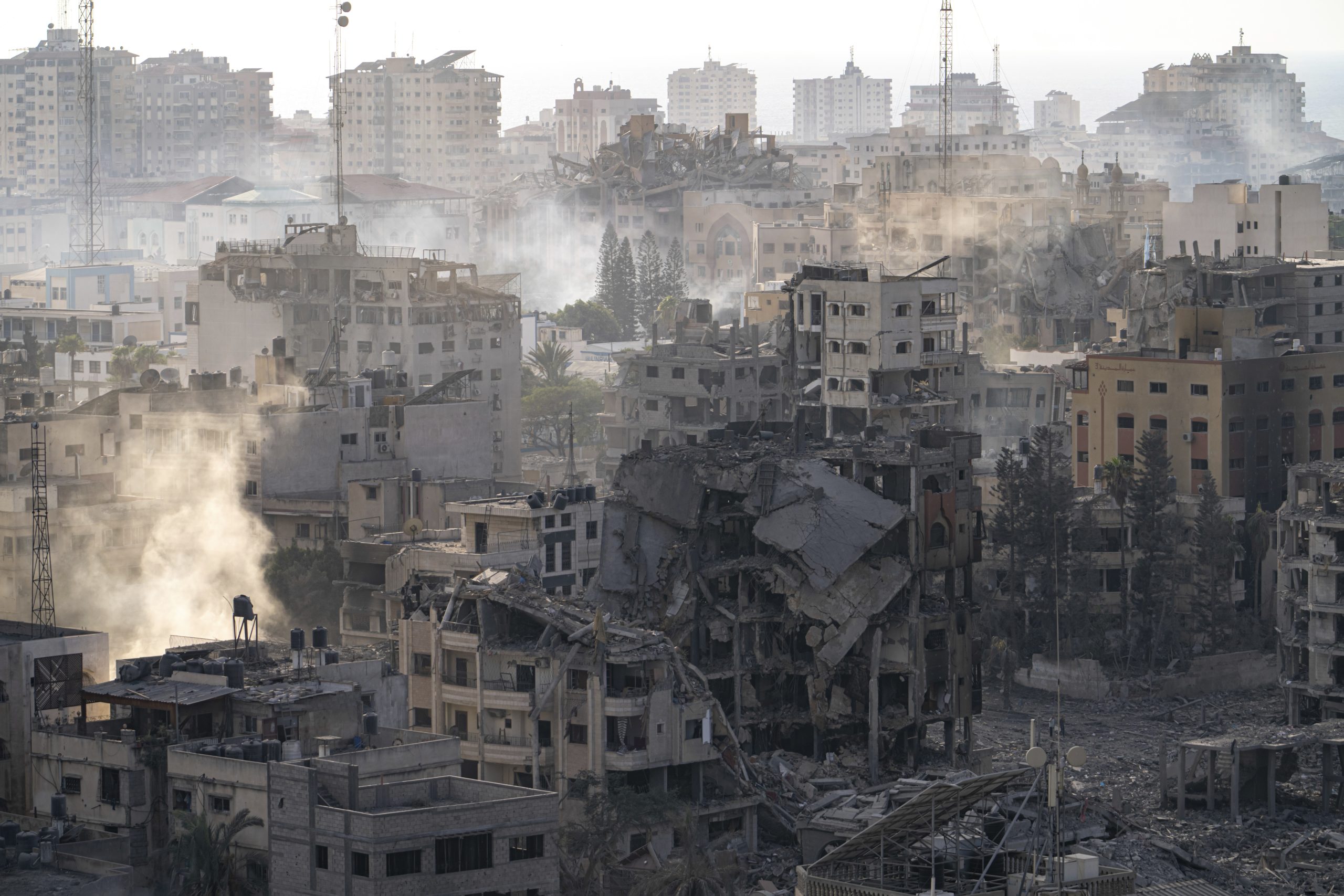
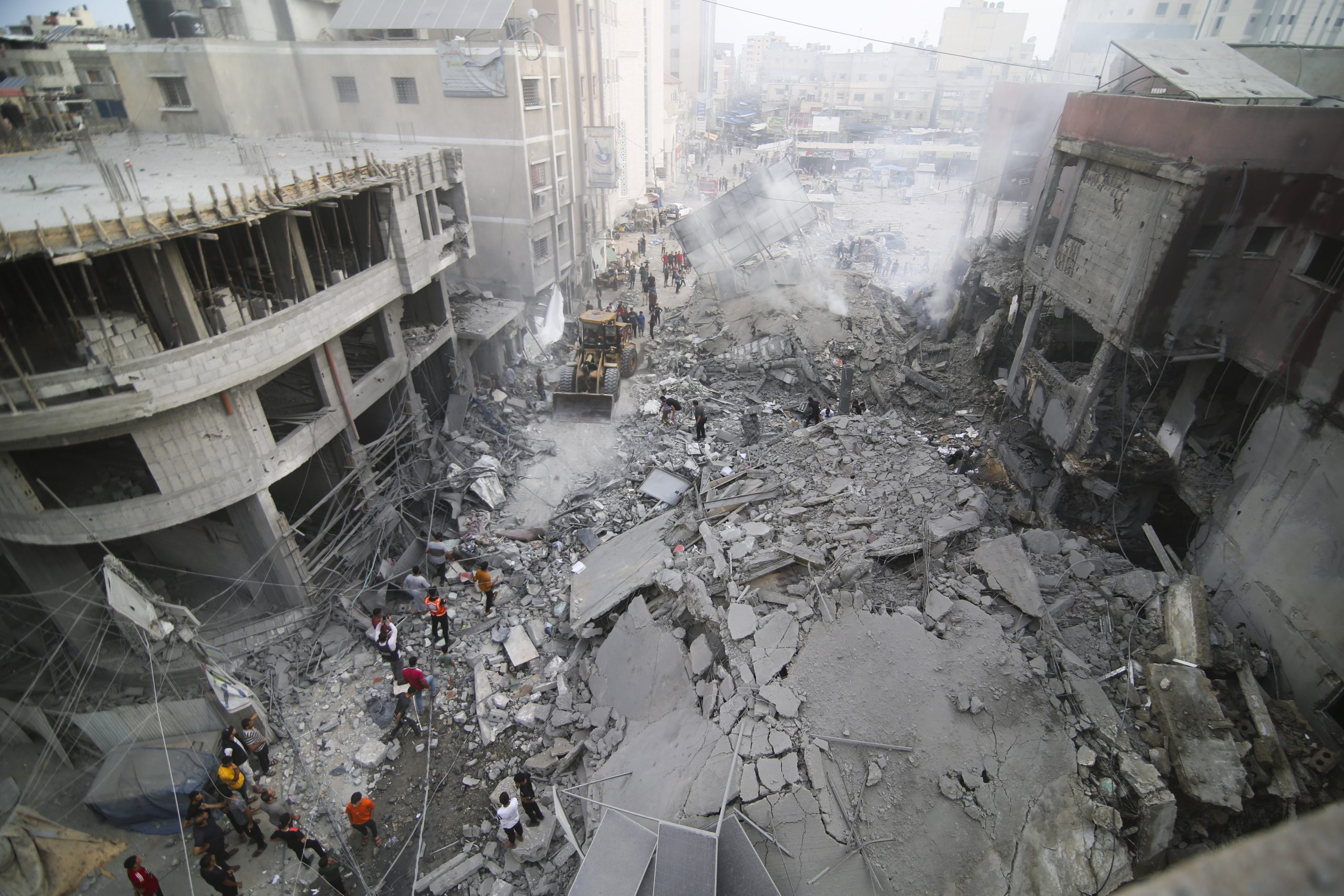
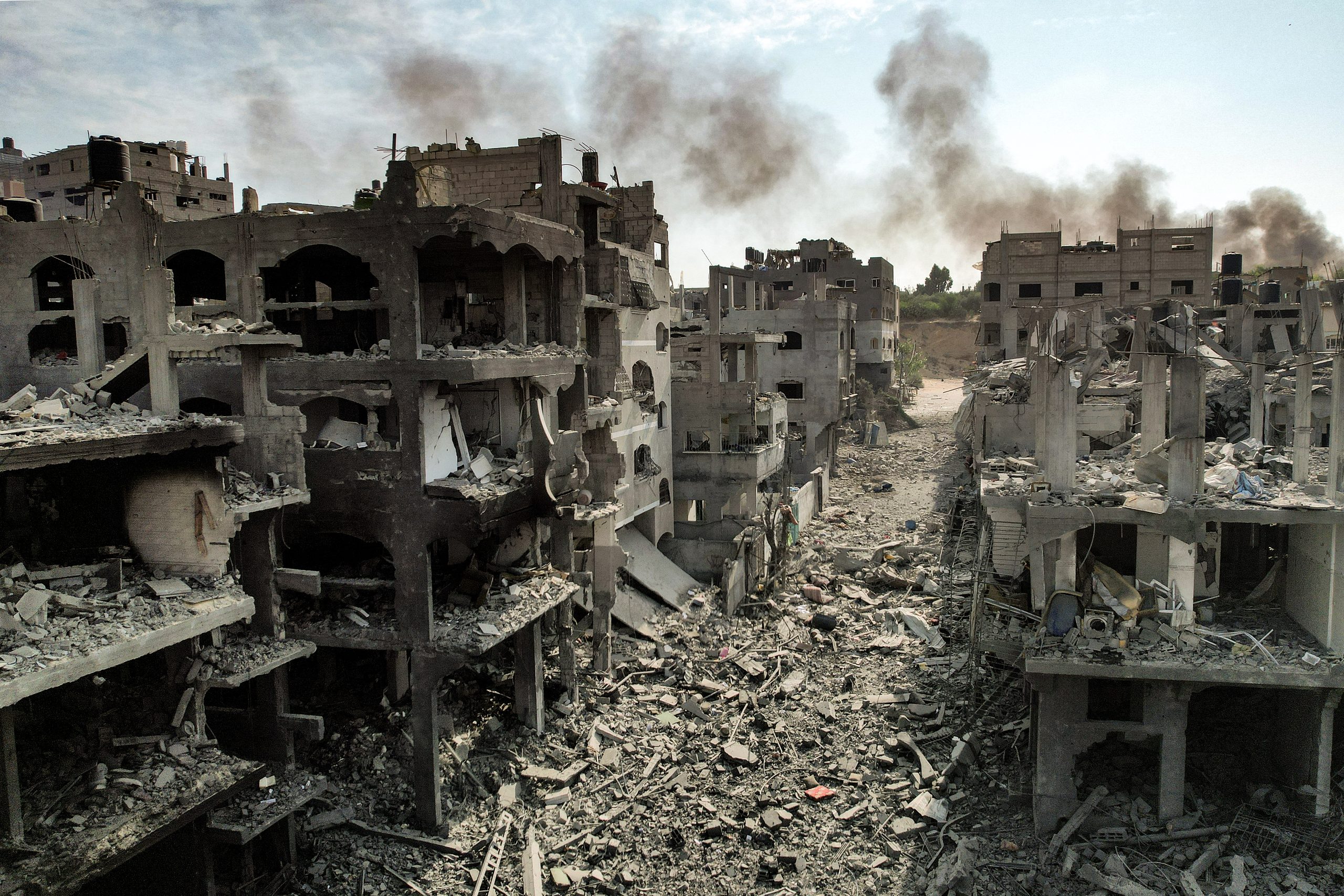
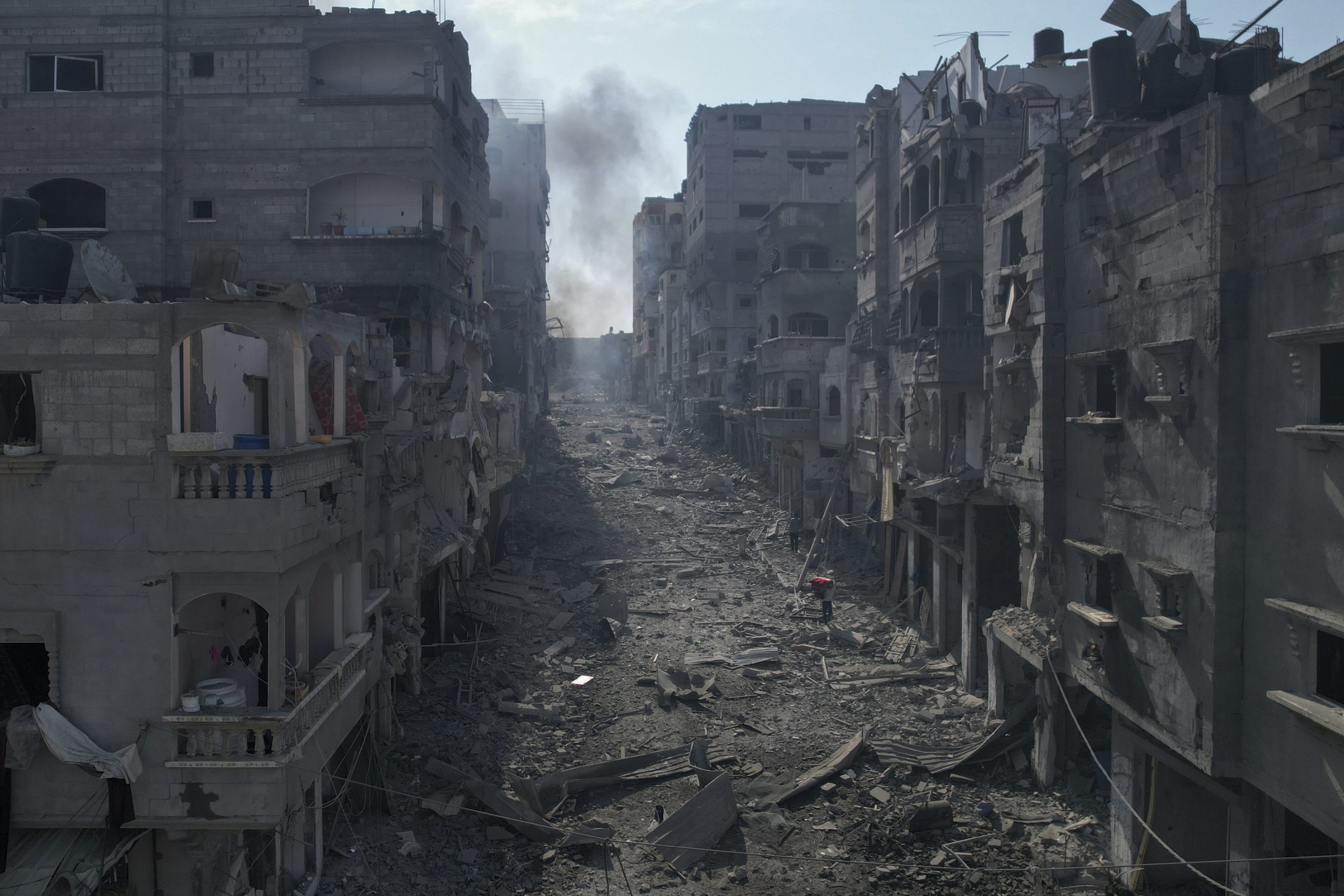
View the original Al Jazeera gallery and photographer credits.
Civilian suffering must never become background noise. Protecting people, allowing humanitarian aid and pursuing accountability cannot wait.
What satellite assessments document
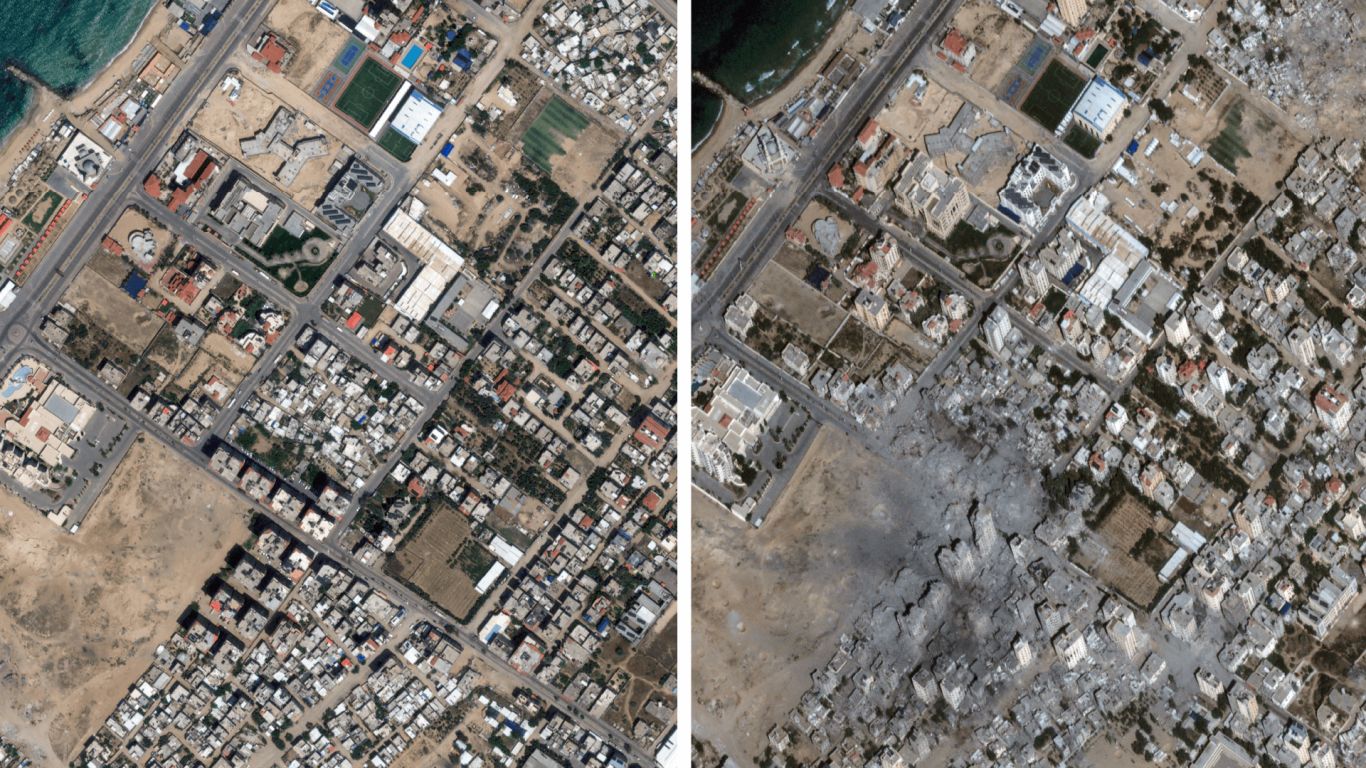
In its report dated 7 August 2026, the UN Office for the Coordination of Humanitarian Affairs cited a UNOSAT assessment based on satellite imagery from 16 June 2026. It estimated that 201,290 structures—approximately 82% of Gaza’s structures—had sustained damage.
| Assessment category | Structures |
|---|---|
| Destroyed | 134,422 |
| Severely damaged | 13,848 |
| Moderately damaged | 28,096 |
| Possibly damaged | 24,924 |
These are dated satellite-based estimates, not a live count. They describe damage categories; satellite imagery alone does not establish the cause of every damaged structure or the legal responsibility for each incident.
Accountability must follow evidence
On 21 November 2024, the International Criminal Court issued arrest warrants for Benjamin Netanyahu and Yoav Gallant, finding reasonable grounds to believe they bore responsibility for alleged war crimes and crimes against humanity, including starvation as a method of warfare, murder, persecution, and other inhumane acts. Arrest warrants are not convictions.
In September 2025, the UN Independent International Commission of Inquiry concluded that Israeli authorities and security forces had committed genocide in Gaza. This is the finding of a UN investigative commission, distinct from a final judgment by a court.
Our demand is clear: protect civilians, end unlawful violence, ensure humanitarian access, and pursue independent investigation and justice. Responsibility must be determined by conduct and evidence—not assigned collectively to a nationality or a faith.
One life lost is already one too many. Calling suffering by its name is the beginning of responsibility. Protecting people must be what follows.
Francisco Armani
The World Human Peace Foundation
4 October 2026
Sources
- UN OCHA, Humanitarian Situation Report, 7 August 2026 — UNOSAT structural damage assessment dated 16 June 2026.
- United Nations, statement on Hamas attacks and rocket fire, 7 October 2023.
- International Criminal Court, arrest warrants for Benjamin Netanyahu and Yoav Gallant, 21 November 2024.
- UN Commission of Inquiry, findings announced 16 September 2025.